
Dry Type Transformer Manufacturer
10kV-35kV Cast Resin & VPI Transformers
Safe, Fire-Resistant & Maintenance-Free Power Distribution Solutions
IEC/ANSI Standards | Factory Direct Supply | Custom Design Available
GE Dry Type Transformer
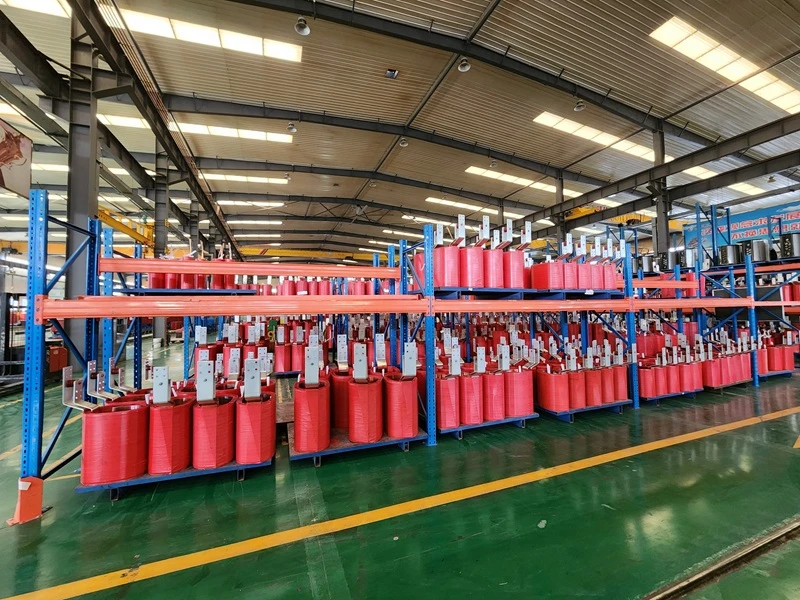
GE Transformer is a professional manufacturer of dry type transformers ranging from 10kV to 35kV voltage class. Our dry transformers are widely used in commercial buildings, industrial plants, substations, hospitals, renewable energy systems and data centers.
Compared with oil immersed transformers, dry type transformers are environmentally friendly, flame-retardant and suitable for indoor installation. They require less maintenance and provide higher operational safety.
We manufacture:
- Cast Resin Dry Type Transformers
- Vacuum Pressure Impregnated (VPI) Transformers
- Low Voltage Isolation Dry type Transformers
Our products comply with IEC, ANSI and GB standards, and can be customized according to customer requirements. It has been proved by users that it is reliable in operation and has reached the international advanced level
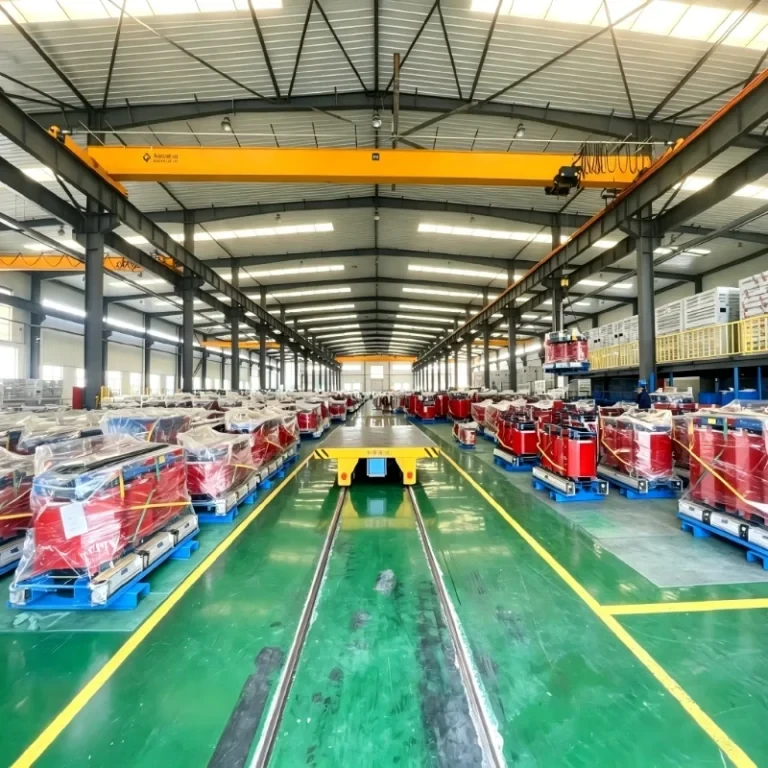
Dry Type Transformers
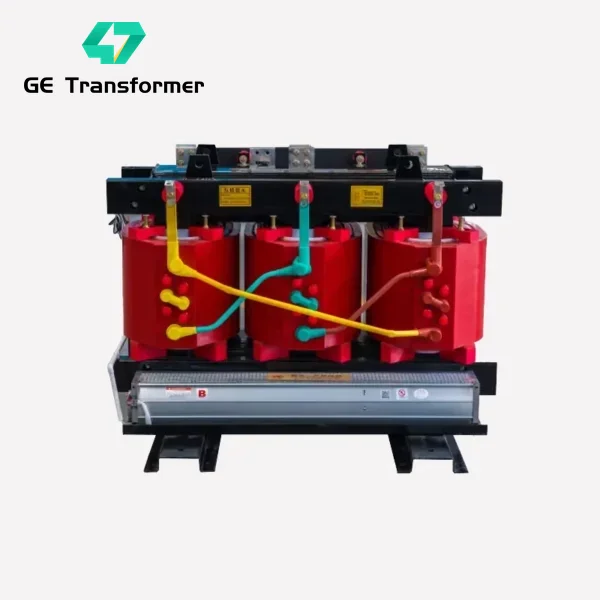
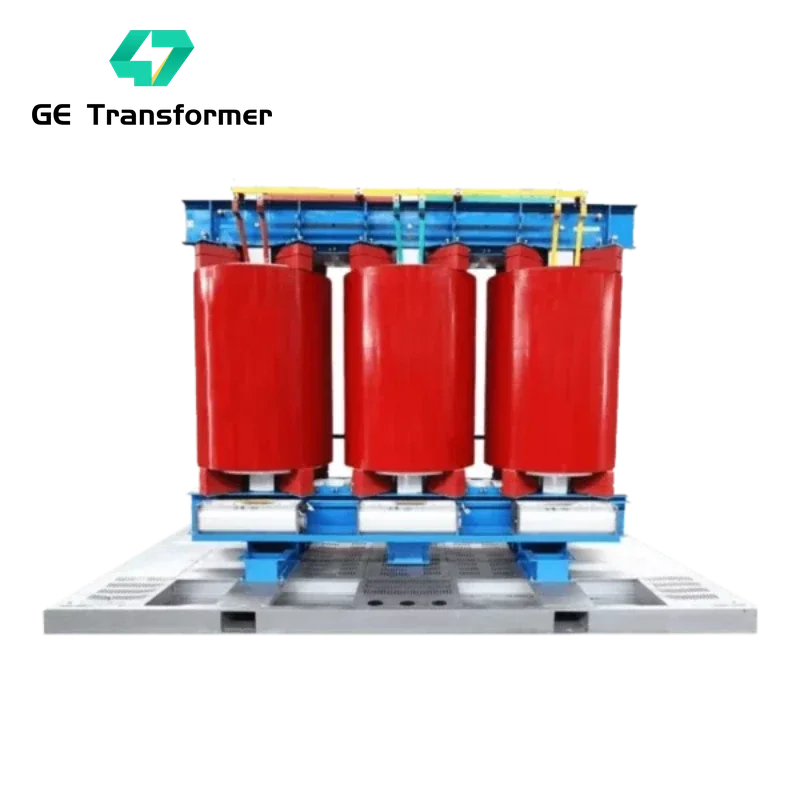
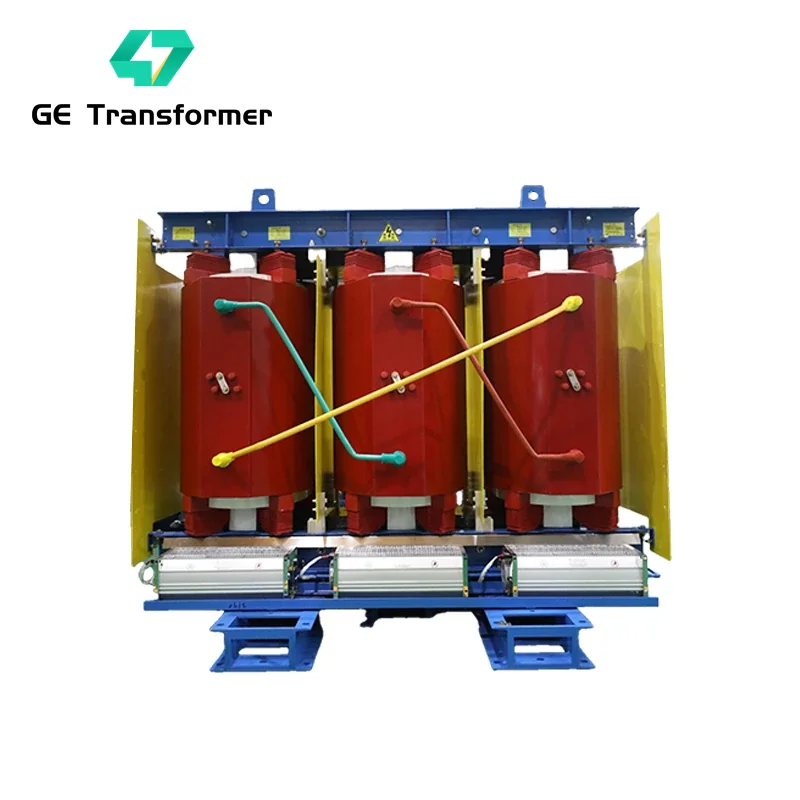
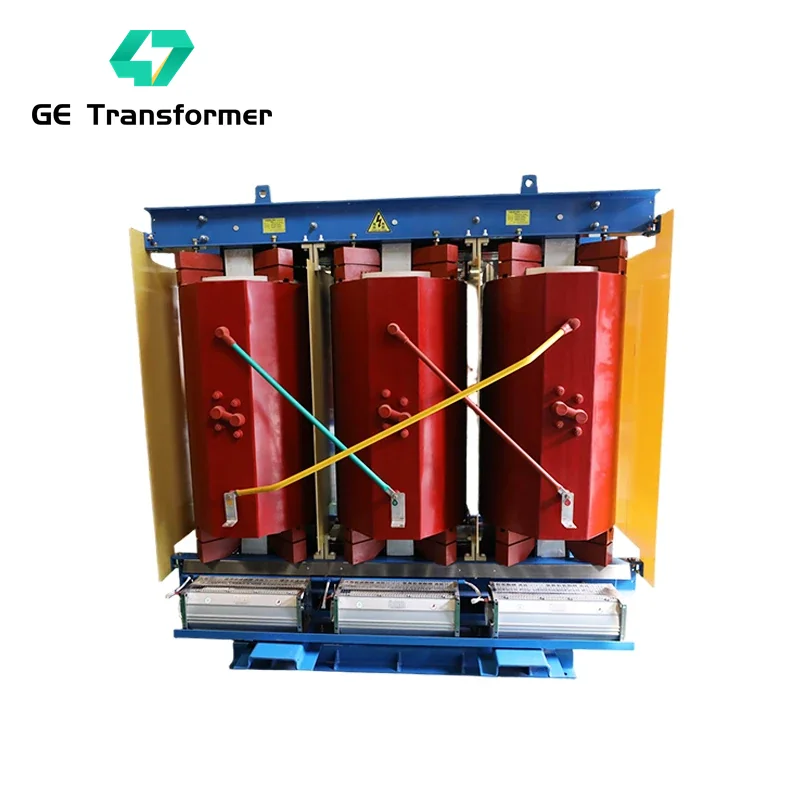
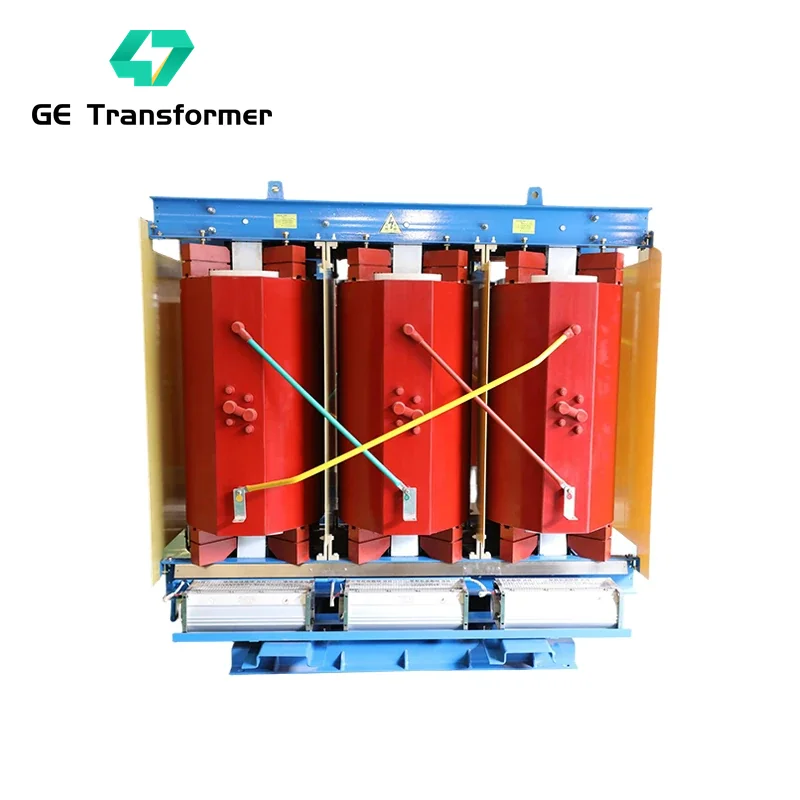
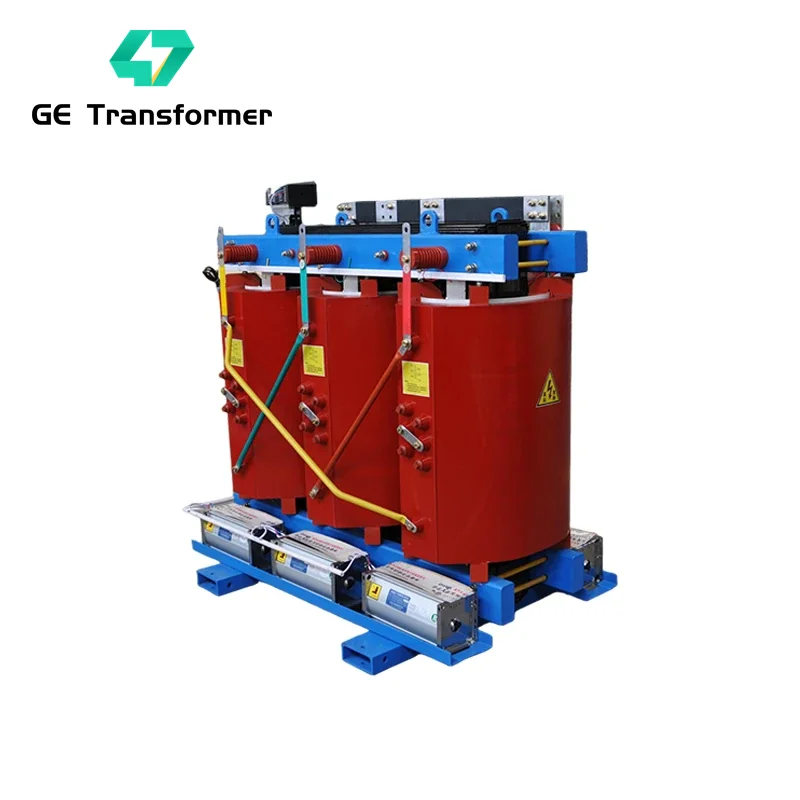
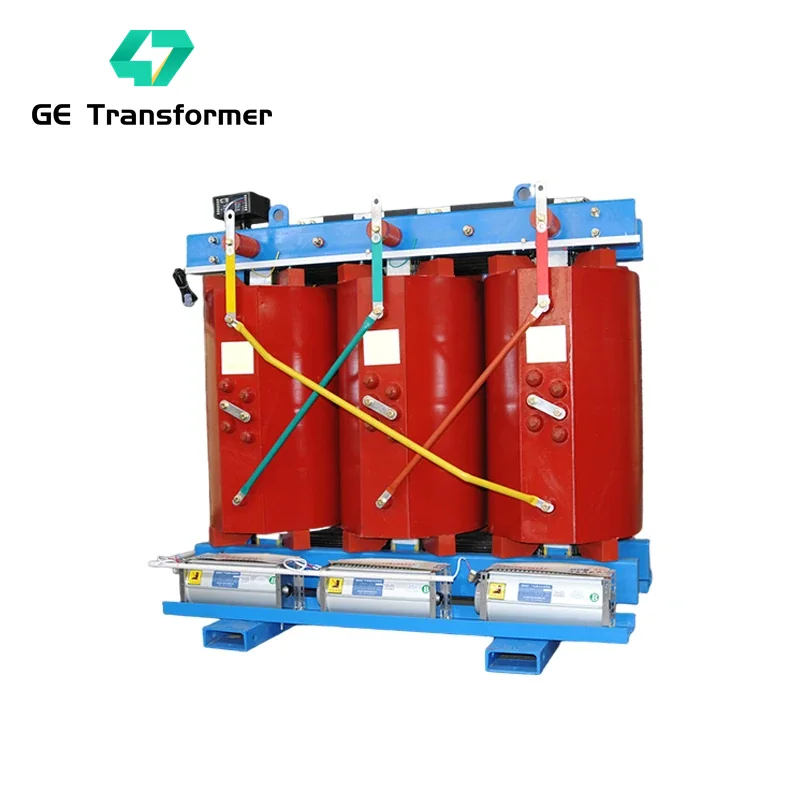
Dry-Type Transformer Parameters
| No. | Item | Specification |
| 1 | Power Rating | 30-20000 kVA |
| 2 | Primary Voltage | 6kV / 6.3kV / 6.6kV 10kV / 10.5kV / 11kV 12.47kV / 13.2kV / 13.8kV, 20kV / 22kV / 22.9kV / 24.9kV / 33kV / 34.5kV 35kV, or others |
| 3 | Secondary Voltage | 480/277V, 400/230V, 380/220V, 550V, 690V, or others |
| 4 | Connection Type | Dyn11, Yyn0 |
| 5 | Phase | Three-phase |
| 6 | Frequency | 50/60 Hz |
| 7 | Insulation Type | Cast Resin |
| 8 | Insulation Class | Class F (155°C),Class H(180°C) |
| 9 | Temperature Rise | 115°C (standard) |
| 10 | Cooling Method | Air Natural (AN), Air Forced (AF) |
| 11 | Short Circuit Impedance | Capacity ≤ 630KVA, 4-6%,Capacity > 630KVA, 6-8% |
| 12 | Voltage Taps | ±2.5%, ±5%, or others |
| 13 | Leakage Magnetic Flux | Low leakage design |
| 14 | Core Material | Cold-rolled grain-oriented silicon steel or amorphous alloy |
| 15 | Winding Material | Copper/Aluminum |
| Altitude | The standard range is 1,000 meters and below; longer ranges are available upon request. | |
| 16 | Operating Temperature Range | -25°C to 40°C |
| 17 | Relative humidity | daily average not exceeding 95%, monthly average not exceeding 90% |
| 18 | Noise Level | ≤55-65 dB(A) |
| 19 | Standards Compliance | IEC60076, GB20052-2020, ISO9001, ANSI, CSA, CE |
| 20 | Common Accessories | Fan, temperature controller, housing, power indicator |
| 21 | Enclosure Material | cold-rolled steel or stainless steel options |
| 22 | Enclosure Protection Rating | IP23 to IP54. |
| 23 | Warranty | Typically one year, depending on the client’s specific needs |
| 24 | Min. order quantity | ≧ 1 set |
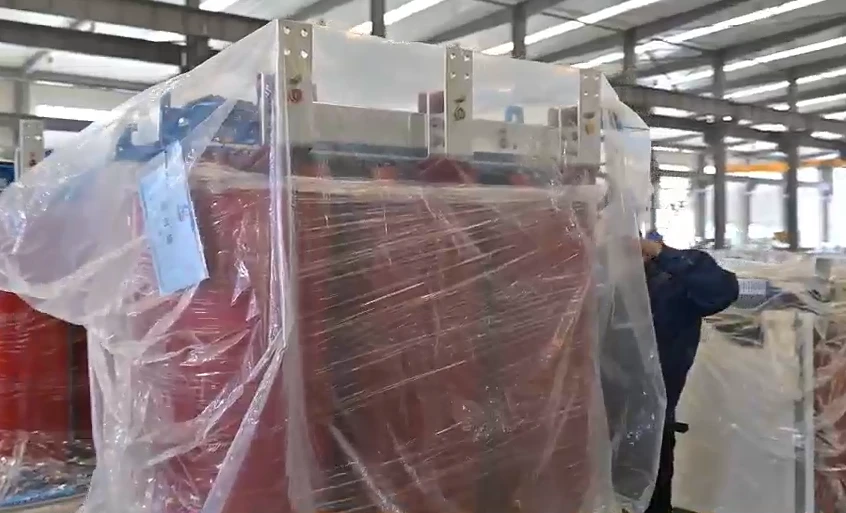
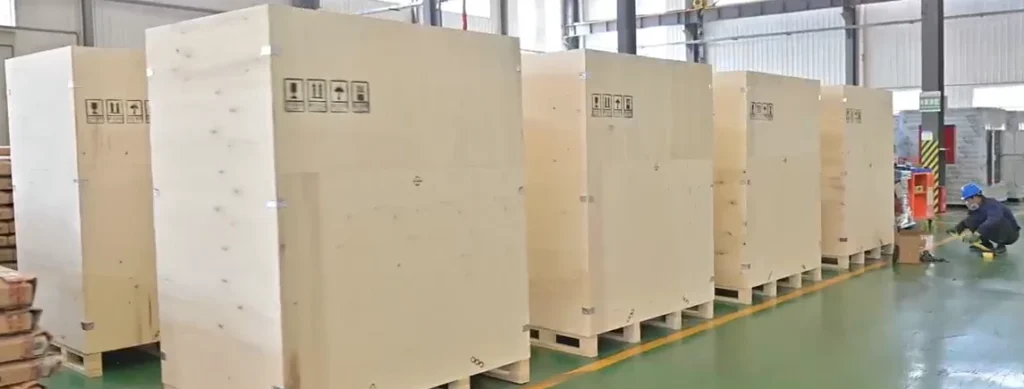
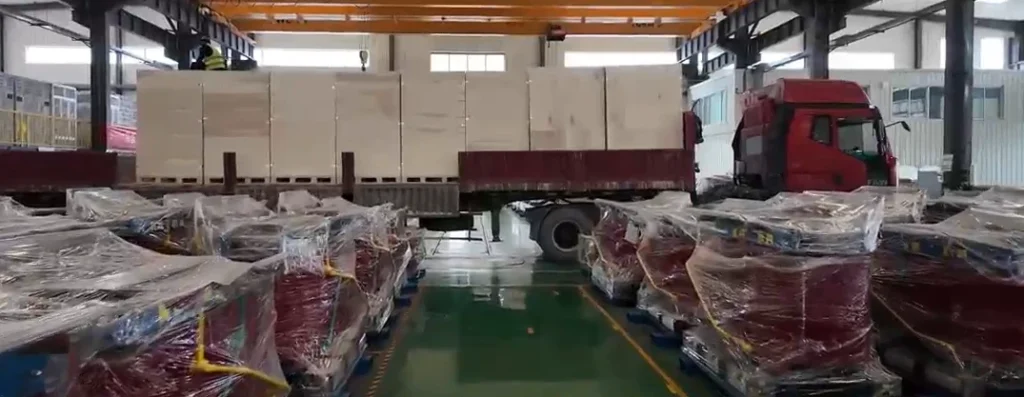
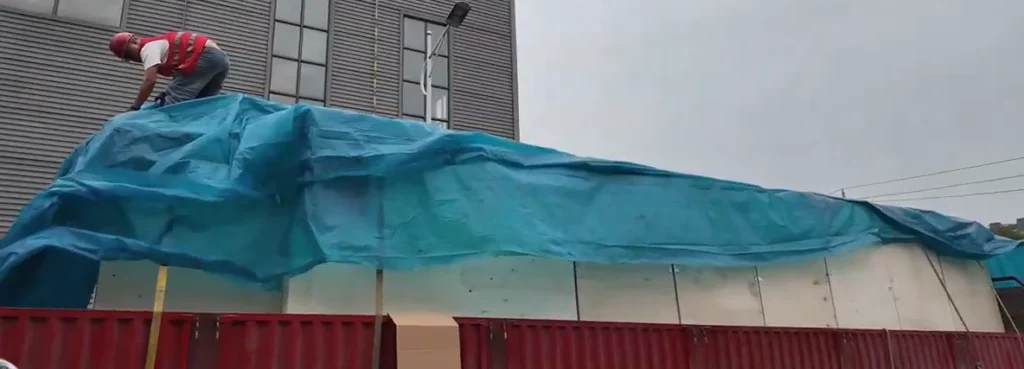
| 25 | Packaging Details | International wooden cases or according to the actual transport needs |
| 26 | Delivery Time | Generally, it is 20-30 days. It is according to the quantity. |
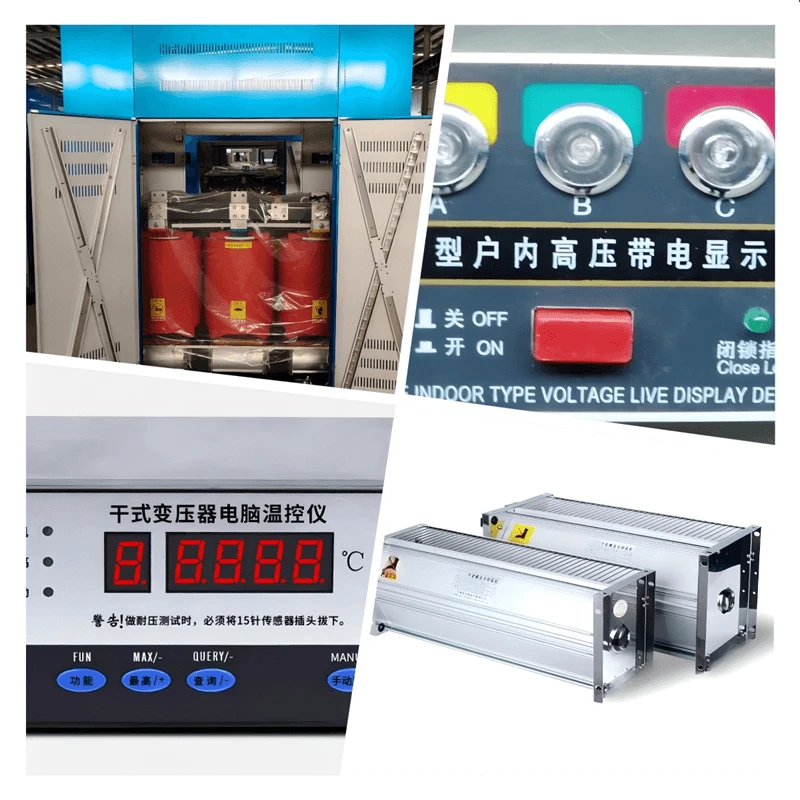
Common Accessories for Dry-Type Transformer
1. Fan:
Assists or enhances the transformer’s heat dissipation.
2. Thermostat:
Monitors the temperature of the windings (and core) and controls the fan’s operation.
3. Enclosure:
Available in indoor and outdoor types, providing protection; depending on the application,scenarios may require different protection ratings.
Indoor types are common, typically rated IP20 (finger protection), IP30 (protection against small insects and tools), IP40 (protection against metal wires), IP21 (protection against dripping water), IP23 (protection against water jets), etc. Some are outdoor types, often designed as European-style transformers with ratings such as IP33, IP44, IP54, etc. (The first digit represents the level of protection against solid foreign objects, while the second digit represents the level of protection against water ingress)
4. Live-voltage detectors (sensors):
These can detect whether a product is live, thereby providing timely alerts or interlocking with electromagnetic locks to prevent accidental entry when the product is live.
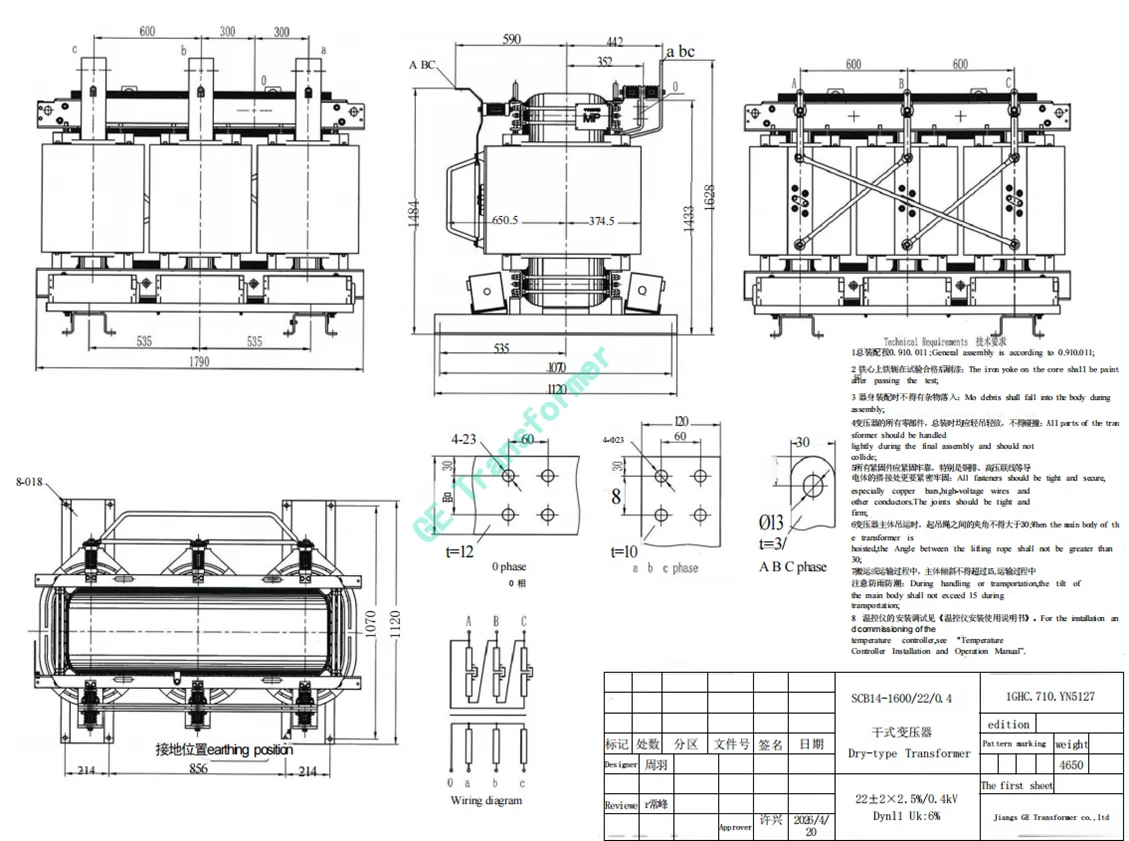
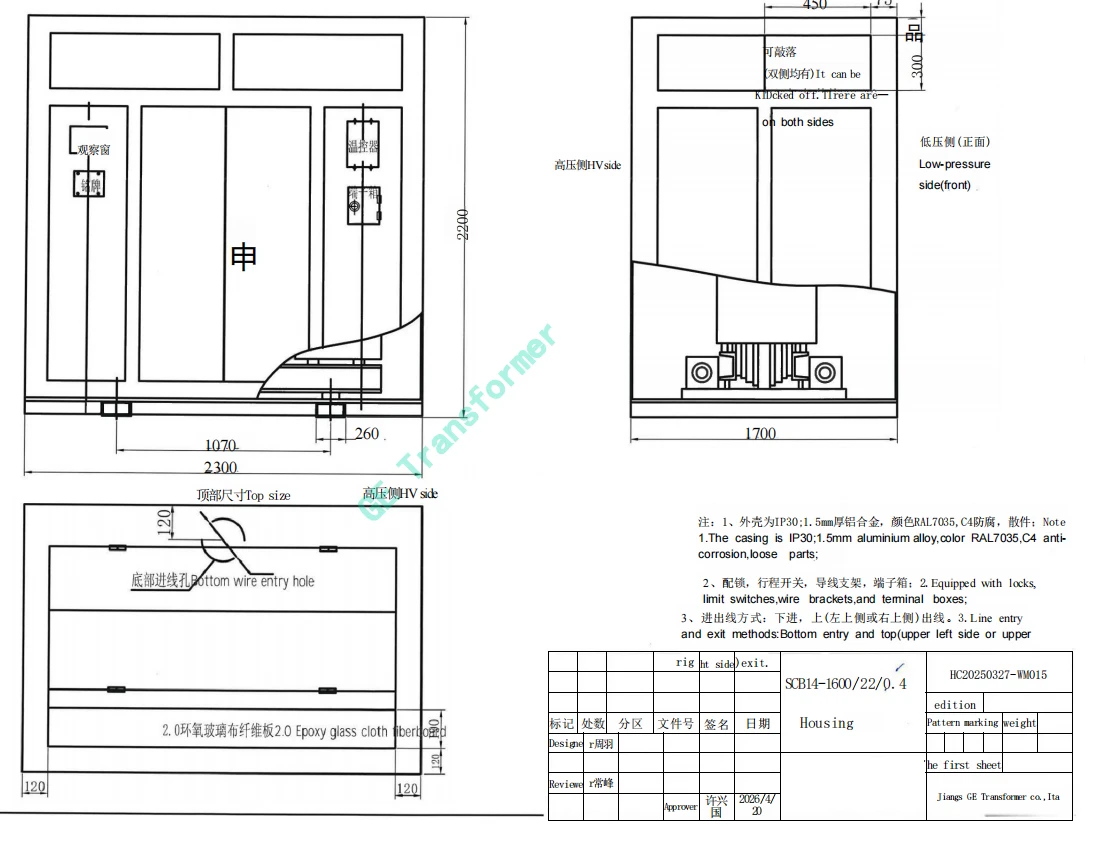
Dry-Type Transformer Drawings
Comprehensive Factory Acceptance Testing
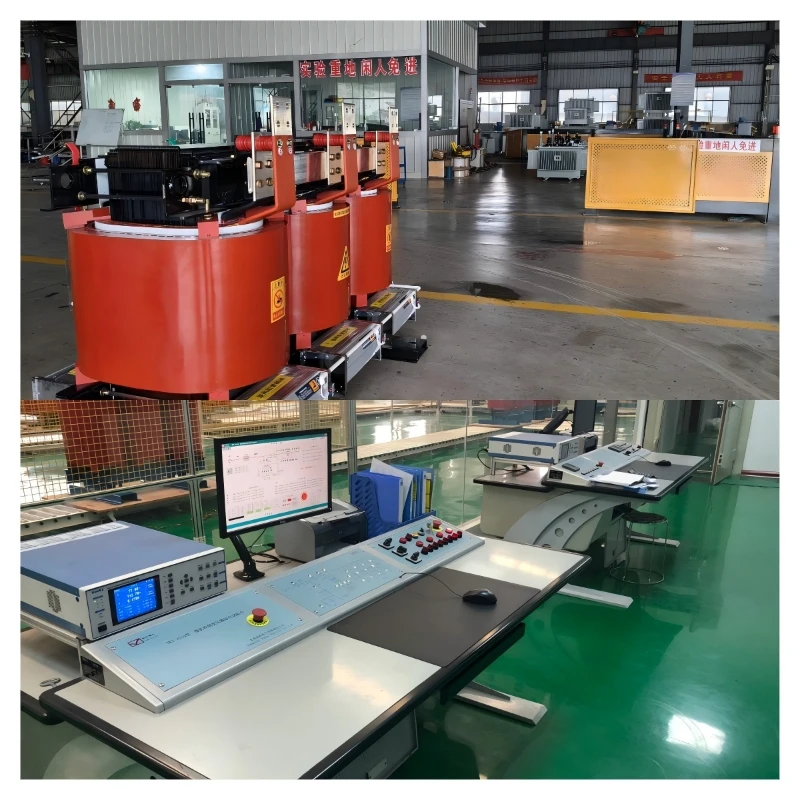
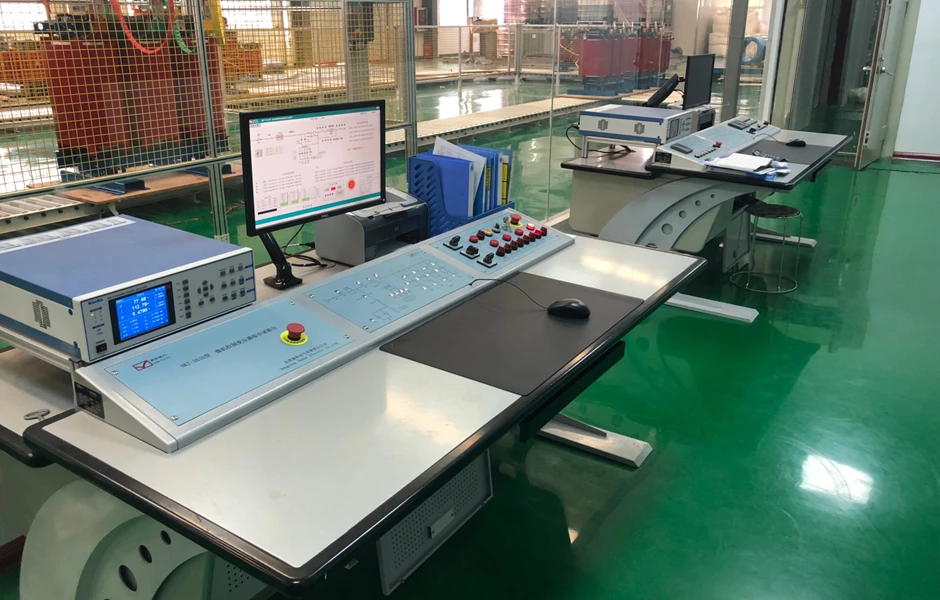
To guarantee exceptional reliability and safety, every GE Transformer dry-type unit undergoes rigorous Factory Acceptance Testing (FAT) in our advanced test bay. Our testing procedures strictly comply with IEC, IEEE, and ANSI standards, ensuring optimal performance before deployment.
Standard Routine Tests
Voltage Ratio & Connection Group: Verifying exact design specifications.
Winding & Insulation Resistance: Ensuring basic dielectric strength.
Applied & Induced Withstand Voltage: Confirming insulation integrity under high-voltage stress.
Losses & Impedance Measurement: Validating No-Load/Load loss efficiency and short-circuit impedance for system compatibility.
Type & Special Tests
Winding Temperature Rise: Confirming thermal performance and cooling efficiency under full load conditions.
Partial Discharge (PD) Measurement: Crucial for cast resin transformers to guarantee long-term insulation life and prevent premature failure.
Certified, comprehensive FAT reports are provided with every shipment, giving you complete confidence in your installation.
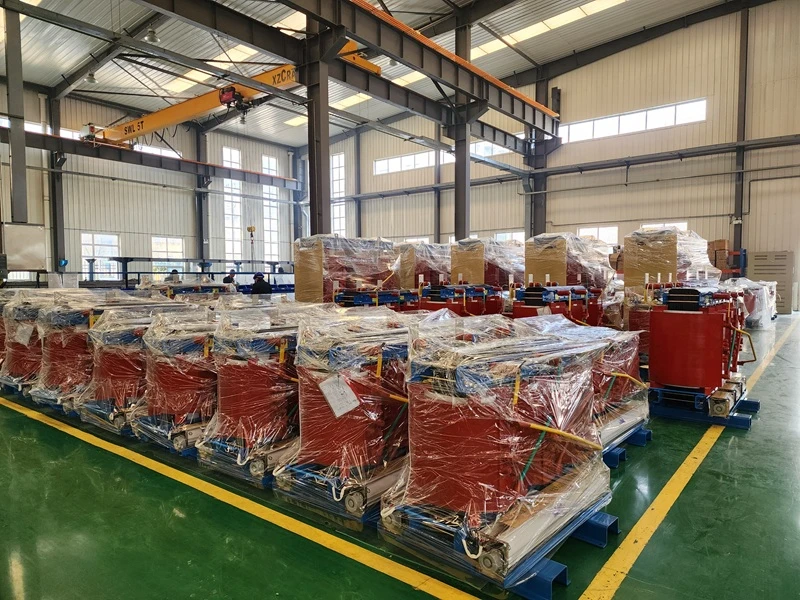
Dry-type Transformer Packaging and Shipment
Why Choose GE Transformer
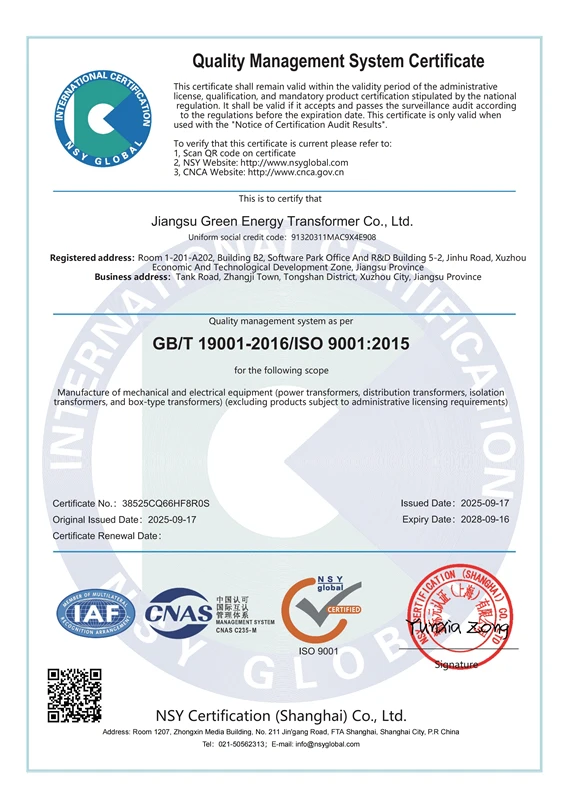
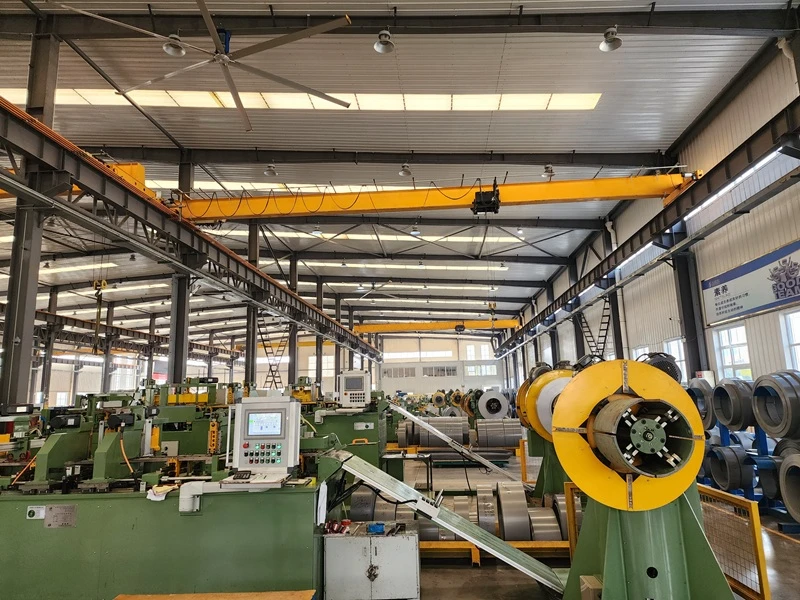
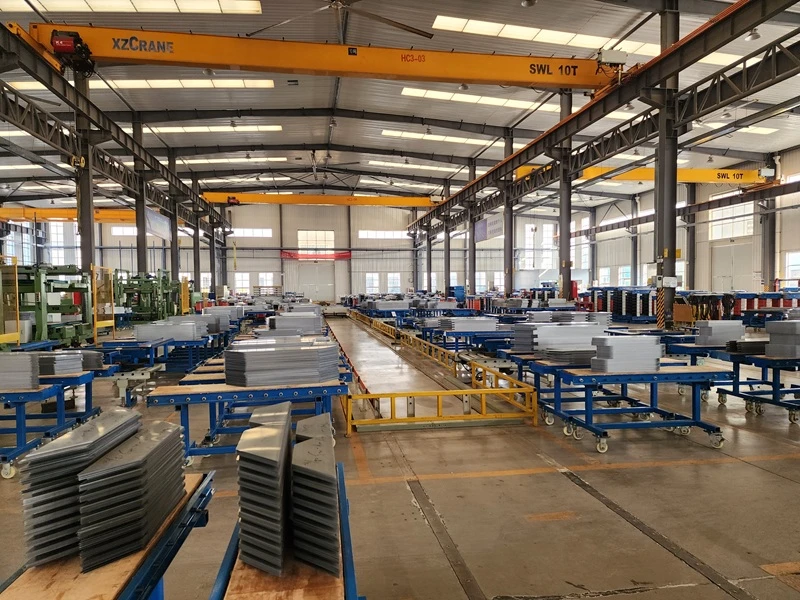
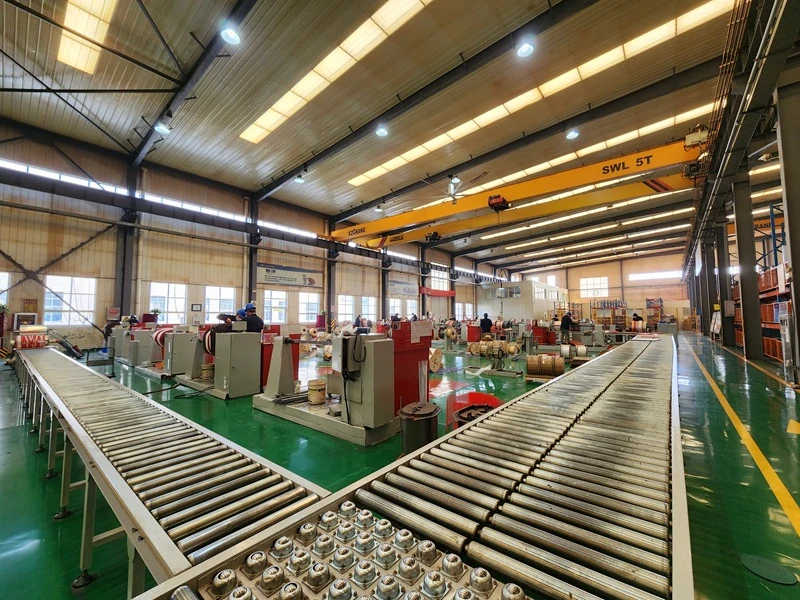
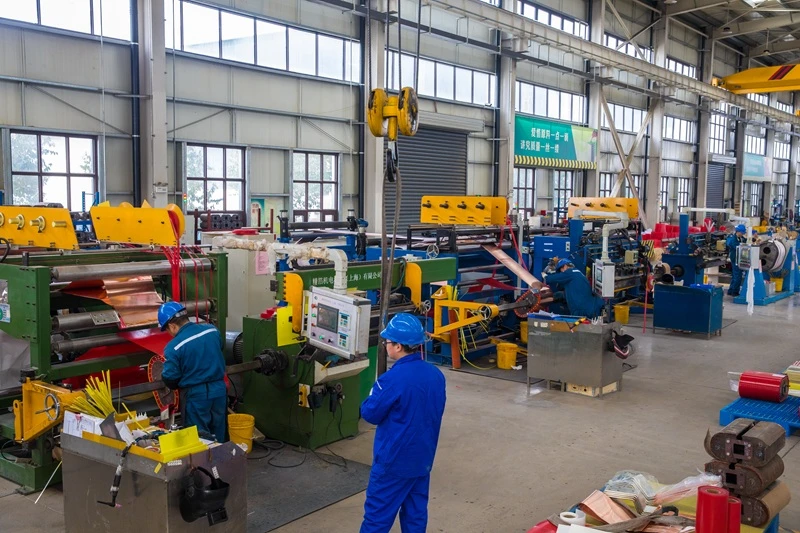
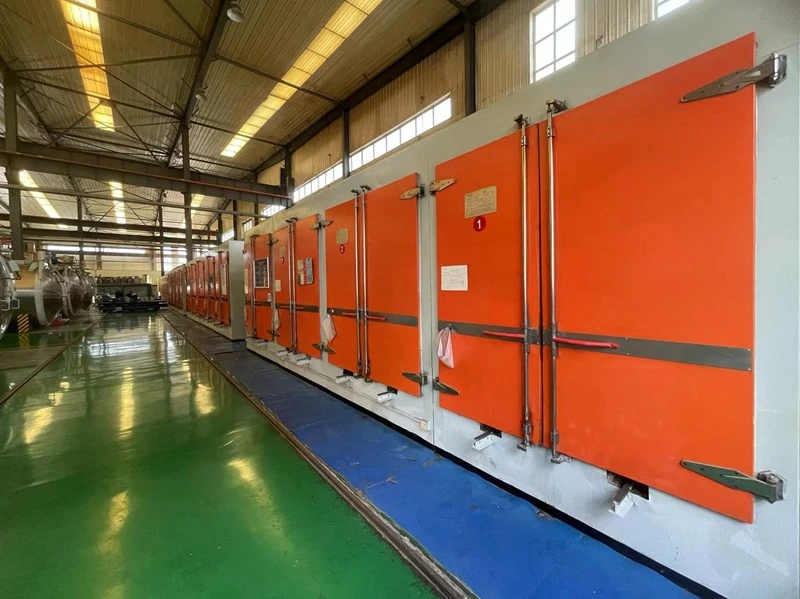
Quality Control: Quality is a core value of GE Transformer. We conduct Factory Acceptance Testing (FAT), type testing, and third-party inspections to ensure superior quality. We strictly adhere to the ISO 9001 quality management system, committed to providing our customers with the highest quality products.
Professional Team: Our team comprises highly skilled professionals dedicated to responding quickly to customer needs. All GE Transformer team members receive systematic training and continuously improve their capabilities through rigorous quality standards and practices. Our commitment to customer service, product innovation, engineering excellence, and social and environmental responsibility makes us a trusted partner in the global power industry.
Certifications
- ISO9001:2015
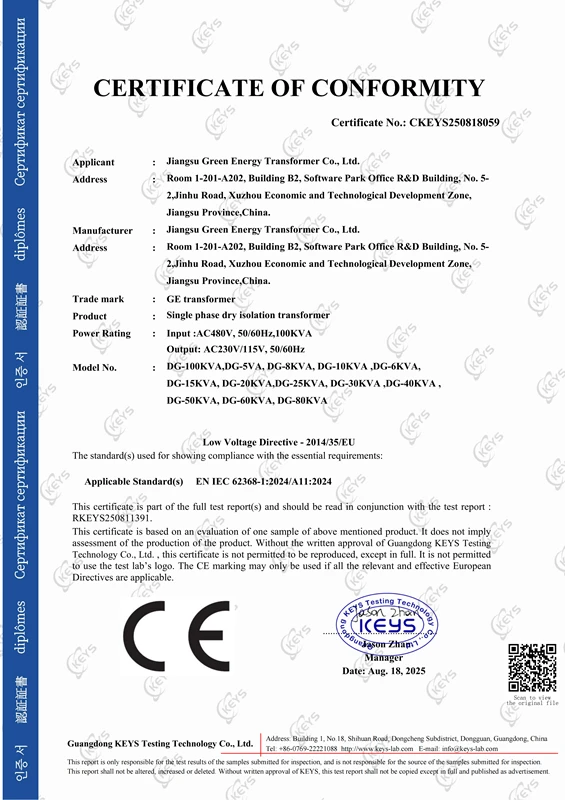
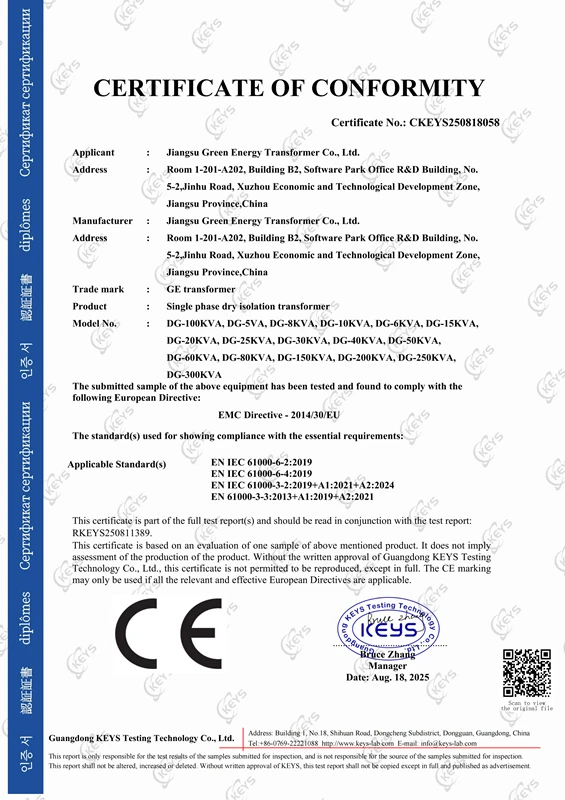
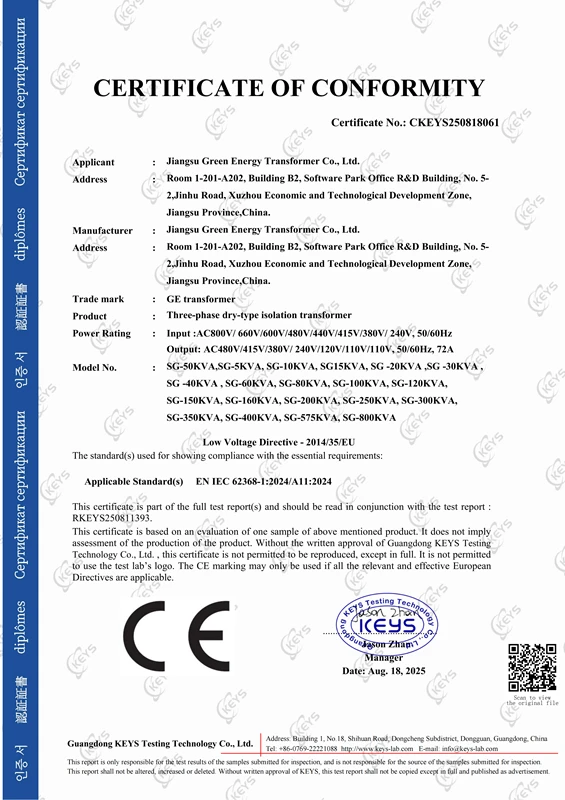
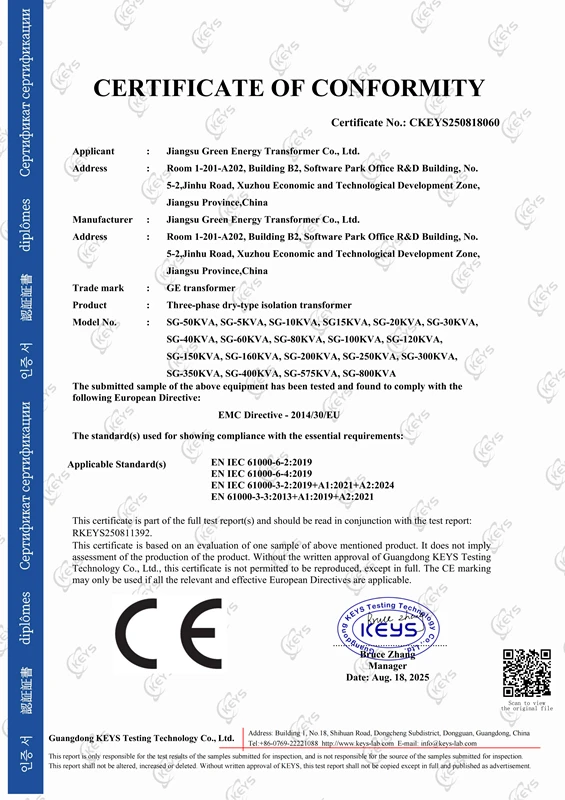
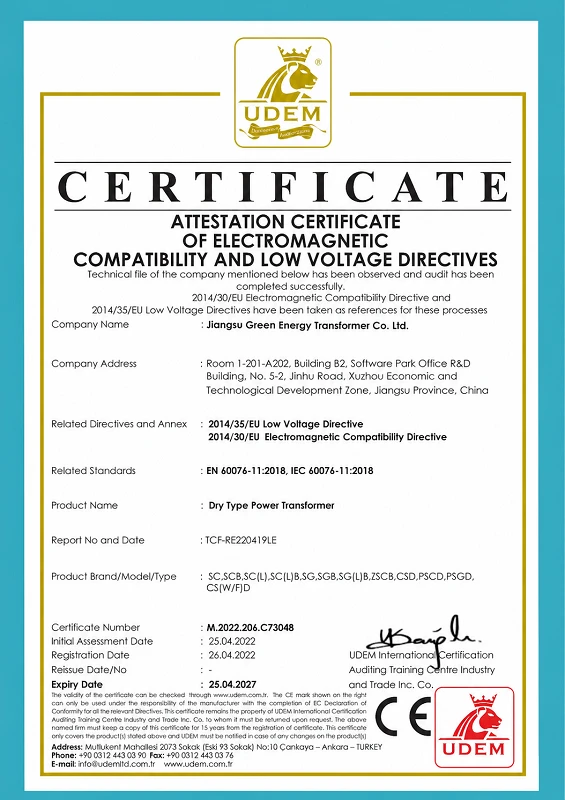
- CE Certifications:
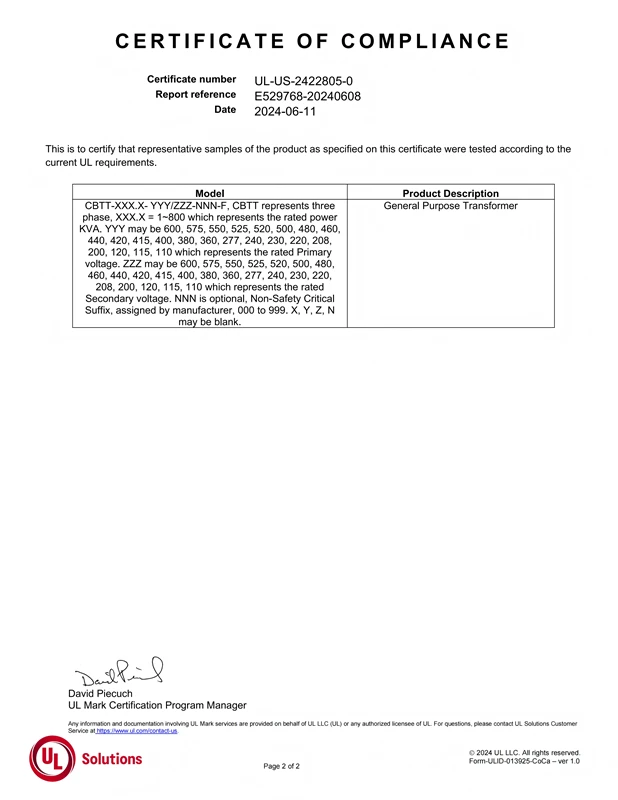
- UL Certifications:
- CSA Certification:
- CNAS Certification:
Competitive Market Pricing:Leveraging years of industry experience, GE Transformer integrates high-quality resources across R&D, production, procurement, transportation, and service, achieving effective cost control.
Fast Delivery: Strong production capacity, multiple freight partners, and a professional pre-sales and after-sales team, adhering to the “customer first” philosophy, provide customers with fast delivery and usage services.
Purchasing Requirements:
Transformer Unit: Rated capacity, primary and secondary voltages, winding material, tap range, frequency, connection group, impedance, temperature rise, no-load and load losses.
Enclosure: Material, IP protection rating, color, dimensions, other requirements.
Accessories: Cooling fans, temperature controller (with RS485 communication protocol), live-line indicator, etc.
FAQ
What are the differences between dry-type transformers and oil-immersed transformers?
Dry-type transformers utilize air self-cooling or forced air cooling methods, and dissipate heat through internal air ducts. Their key characteristics include safety, flame resistance, fire prevention, and pollution-free operation, allowing them to be installed directly at the load center. They are maintenance-free, easy to install, and offer low overall operating costs. Furthermore, they possess excellent moisture resistance, enabling them to operate normally even at 100% humidity; they can be put back into service immediately after a shutdown without the need for pre-drying.
Oil-immersed transformers employ oil circulation for cooling and dissipate heat through internal oil channels; consequently, every oil-immersed transformer requires an accompanying oil tank. Their primary advantage lies in their superior heat dissipation performance. However, compared to dry-type transformers, oil-immersed transformers are flammable, lack inherent fire-retardant properties, require frequent maintenance, and can pose a certain degree of environmental pollution risk. As a result, oil-immersed transformers are rarely used in densely populated areas. For more detailed information, please refer to the article: “What are the differences between dry-type transformers and oil-immersed transformers?”
What technical parameters must be clearly specified in the contract when ordering a product?
Rated capacity, voltage ratio, short-circuit impedance, load loss, no-load loss, connection group, no-load current, insulation level, protection class (IP rating), etc.
Which parameter primarily affects the service life of a dry-type transformer? How is it controlled?
Operating temperature. Generally, this is controlled by employing forced air cooling and/or reducing the electrical load.
How does our company's dry-type transformer design minimize noise?
Design: We adjust the core geometry coefficients to avoid resonance frequencies.
Materials: We utilize high-quality silicon steel sheets to minimize magnetostriction (magnetic-induced expansion/contraction).
Processing: We employ advanced core manufacturing lines to ensure processing burrs are kept to a minimum (≤0.025 mm).
Assembly: We utilize advanced “five-step” and “seven-step” core stacking techniques to minimize air gaps at the core joints.
Additionally, vibration-damping silicone rubber pads are applied at the connection points of various components to effectively reduce noise levels.
What are the functions of the transformer temperature controller, enclosure, and cooling fans?
The function of the temperature controller is to perform three-phase cyclic monitoring; it controls the start and stop of the cooling fans (at 80°C and 100°C), triggers an over-temperature alarm (at 130°C), initiates an over-temperature trip (at 150°C), and is capable of transmitting signals remotely to a computer terminal.
The function of the enclosure is to prevent personnel or foreign objects from coming into close proximity with the transformer while it is energized and in operation, thereby averting potential hazards.
The function of the cooling fans is to increase airflow velocity, thereby mitigating the temperature rise caused by the heat generated within the transformer body during operation, and ensuring the transformer’s ability to operate continuously and reliably.
What are the various wiring entry and exit configurations available for dry-type transformers?
Available configurations include: bottom entry/bottom exit, bottom entry/top exit, bottom entry/side exit, top entry/top exit, top entry/bottom exit, top entry/side exit, side entry/side exit, side entry/bottom exit, side entry/top exit, among others.


